FOOD STORAGE
Long-Term Food Storage: Wheat, Rice, Beans and Oats
Wheat, white rice, dry beans and rolled oats are the backbone of most long-term food storage because they keep for decades when packed right. Here's what Utah State University and BYU research says about shelf life, packaging and rotation.
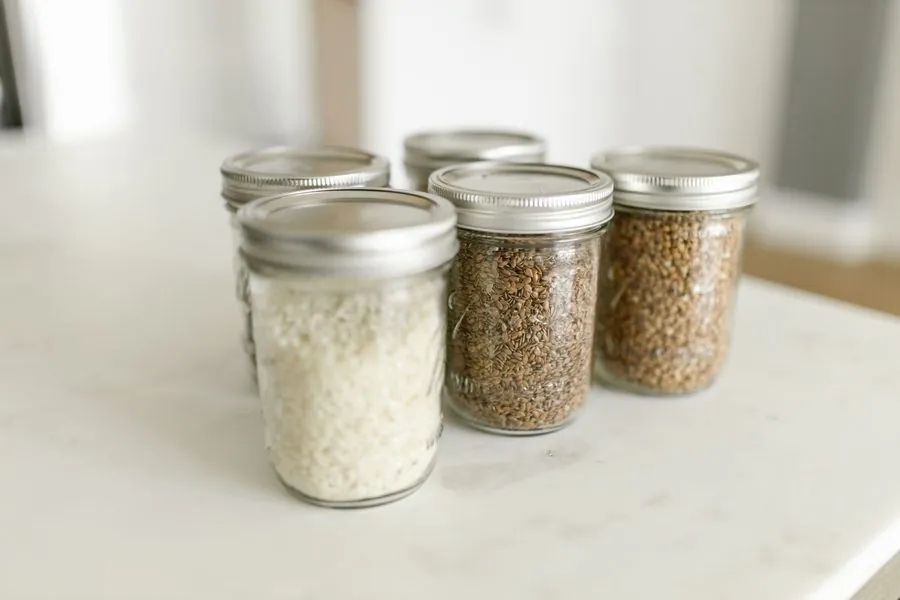
Photo: RDNE Stock project / Pexels. Illustrative.
A long-term supply usually starts with four staples: wheat, white rice, dry beans and rolled oats. Packed in sealed #10 cans or Mylar-type bags with the oxygen removed and kept cool, these foods can last for decades. Church guidance suggests adding this kind of long-term supply after your three-month supply of everyday foods is in place.
How long each one lasts
- Wheat: A BYU study found wheat in #10 cans still made bread most people found acceptable after 32 years. USU still recommends rotating so no stored wheat is older than five years.
- White rice: USU says properly sealed white rice stores well for 25 to 30 years in cool storage, and up to 10 years at a constant 70 degrees with oxygen absorbers.
- Dry beans: In #10 cans or Mylar-type bags with the oxygen removed, USU gives a shelf life of 10 or more years. Pinto beans stored up to 30 years were still acceptable to most tasters for emergency use.
- Rolled oats: USU explains that rolled oats are heat treated, which helps them store well. A BYU table estimates 20 years in low-oxygen packaging.
How to store rice long term in Mylar bags
USU lists Mylar-type bags as one of the best options for long-term rice storage, along with food-grade oxygen absorbers to protect quality and keep insects out. Fill the bag with rice, add the oxygen absorbers, seal it, and keep it somewhere cool. USU says rice stored this way in cooler areas can last up to 30 years, and up to 10 years at a constant 70 degrees.
Packaging that works
USU recommends food-grade packaging like #10 cans, Mylar-type bags or PETE plastic, with oxygen absorbers for rice and beans. For wheat, USU notes that rodents can chew through plastic bags, and that buckets alone won't stay oxygen-free over time.
Keep it cool
BYU notes that food stored in hot places like attics and garages has a much shorter shelf life. A basement or interior closet is usually a better spot.
How much to store
For one adult for one year, a Church guide lists about 400 pounds of grains and 60 pounds of legumes, along with powdered milk, oil, sugar or honey and salt. Most families build toward that slowly, and the Church encourages storing what your circumstances allow.
Related articles:
LDS Preppers
ldspreppers.com